
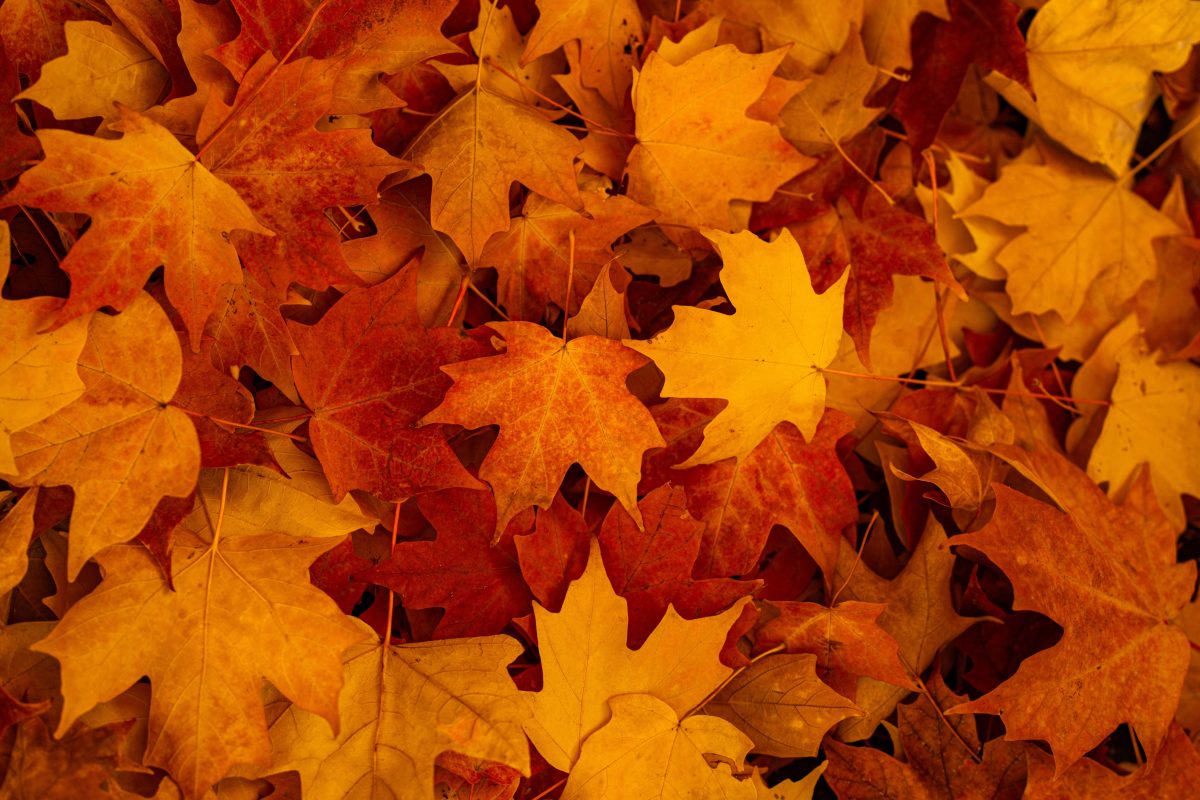
As autumn transforms Albany’s trees into a canvas of reds, oranges, and golds, it’s an excellent time to appreciate the natural cycle of leaf fall and its importance to tree health and the wider ecosystem.
The Natural Cycle and Its Benefits
Falling leaves are a crucial part of a tree’s life cycle. For deciduous trees, leaf drop is an adaptive strategy to conserve energy and prepare for winter. This process, far from being harmful, plays a vital role in maintaining the health of trees and the surrounding environment.
Benefits of Fallen Leaves
- Nutrient Cycling: As leaves decompose, they return essential nutrients to the soil, feeding the tree and other plants.
- Soil Improvement: Leaf litter helps improve soil structure, increasing its capacity to hold water and support beneficial microorganisms.
- Natural Mulch: Fallen leaves act as a natural mulch, protecting tree roots from temperature extremes and helping to retain soil moisture.
- Ecosystem Support: Leaf litter provides habitat and food for a variety of insects, fungi, and small animals, supporting biodiversity.
Understanding Leaf Management in Different Contexts
While leaves are beneficial in natural settings, urban and suburban environments may require some level of management to balance ecological benefits with human needs.
Home Gardens and Landscaped Areas
In more managed settings, consider these approaches:
- Leave Leaves in Plant Beds: Allow leaves to remain in garden beds and around trees where they’ll naturally decompose and enrich the soil.
- Mulching in Place: Use a mulching mower to chop leaves into smaller pieces on lawns. This speeds decomposition and adds nutrients to the soil without smothering grass.
- Selective Raking: If leaf accumulation is very heavy, consider partially raking to thin the layer rather than removing all leaves.
- Composting: Collect excess leaves for composting, then use the nutrient-rich compost to feed trees and gardens.
Beyond Leaf Management: Supporting Tree Health in Fall
Fall is an ideal time for other tree care activities that support overall health:
- Watering: Provide deep watering to trees before the ground freezes, especially for younger or recently planted trees.
- Mulching: Apply organic mulch around the tree’s base (keeping it away from the trunk) to insulate roots and retain moisture.
- Gentle Pruning: Remove only dead, damaged, or diseased branches. Extensive pruning is best left for the dormant season.
- Avoid Fertilizing: Most trees don’t need fertilizer in fall. Focus on natural nutrient cycling through leaf decomposition.
Embracing Nature’s Wisdom
By understanding and working with the natural cycle of leaf fall, we can support the health of our trees and the broader ecosystem. Fallen leaves are not waste to be removed but a valuable resource that nourishes our environment.
Remember, a leaf-strewn yard is not a sign of neglect, but a thriving mini-ecosystem. By allowing leaves to play their natural role, we’re supporting tree health, soil vitality, and the countless organisms that depend on this annual cycle.
As we enjoy the beauty of fall in Albany, let’s appreciate the important role that fallen leaves play in maintaining the health and vitality of our urban forest. By working with nature, we can ensure that our trees continue to thrive and provide their many benefits for years to come.