
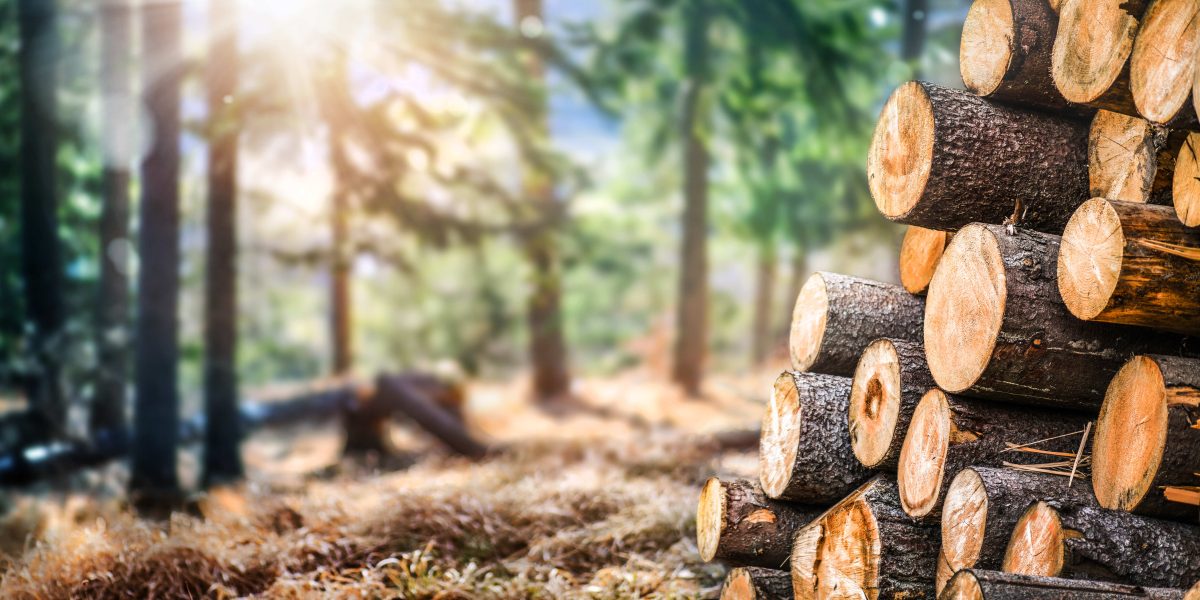
In the world of arboriculture and landscaping, tree removal is sometimes a necessary practice. However, as environmental concerns continue to grow, it’s crucial to approach this process with sustainability in mind. As a tree care business in Albany, GA, we’re always exploring ways to improve our environmental stewardship. In this blog post, we’ll delve into the world of sustainable tree removal, focusing on repurposing wood waste and implementing effective recycling strategies. At Tree Line Arbor Care, all of our tree debris goes to a local biomass processing and we give a ton of logs to RS Custom, a local sawmilling business where they repurpose the logs into usable lumber.
The Importance of Sustainable Tree Removal
Traditional tree removal often results in significant waste, with valuable wood resources ending up in landfills. This practice not only wastes potential resources but also contributes to environmental degradation. However, by adopting sustainable tree removal practices, we can:
- Reduce landfill waste significantly
- Conserve natural resources by maximizing the use of removed trees
- Support local ecosystems through thoughtful repurposing
- Create valuable products from what would otherwise be considered waste
- Minimize the carbon footprint associated with tree removal
These benefits highlight why it’s crucial for tree care professionals and homeowners alike to consider sustainable options when removing trees.
Wood Repurposing Possibilities
There are numerous ways to give new life to wood from removed trees. Let’s explore some of the most effective and popular methods:
1. Mulch Production
One of the primary ways to repurpose wood waste is by converting it into high-quality mulch. This process involves chipping or shredding wood into smaller pieces, which can then be used in landscaping and gardening. Mulch offers several benefits:
- Retaining soil moisture, reducing the need for frequent watering
- Suppressing weed growth, minimizing the use of herbicides
- Improving soil health by adding organic matter as it decomposes
- Enhancing landscape aesthetics with a neat, finished look
- Regulating soil temperature, protecting plant roots from extreme conditions
Mulch can be used in residential gardens, public parks, and commercial landscaping projects, making it a versatile and valuable product.
2. Firewood Programs
Larger logs from removed trees can be processed into firewood, providing a sustainable heat source for homes and reducing the need for commercial firewood production. This practice is particularly beneficial because:
- It offers a renewable energy source for heating
- It can reduce reliance on fossil fuels for home heating
- It provides an economic opportunity for tree care businesses
- When burned efficiently, it can be a relatively low-impact heating method
3. Artisan Woodworking
High-quality wood from removed trees can find new life in the hands of skilled artisans and woodworkers. This repurposing method:
- Supports local economies by providing materials for small businesses
- Creates unique, high-value products such as furniture, sculptures, and decorative items
- Preserves the beauty and history of local trees in lasting, functional art
- Reduces the demand for newly harvested timber
4. Urban Wood Utilization
An emerging trend in sustainable tree removal is urban wood utilization. This involves salvaging wood from urban trees for use in construction, furniture making, and other applications. Benefits include:
- Reducing transportation costs and emissions associated with importing timber
- Creating a local, sustainable source of wood products
- Preserving the cultural and historical value of urban trees
- Providing educational opportunities about sustainable forestry practices
Innovative Recycling Practices
Beyond direct repurposing, there are several innovative recycling practices that can make tree removal more sustainable:
1. Composting
Smaller branches, leaves, and wood chips that aren’t suitable for other uses can be composted. This process:
- Creates nutrient-rich material for gardening and landscaping
- Reduces the need for chemical fertilizers
- Improves soil structure and water retention
- Supports beneficial soil microorganisms
2. Biofuel Production
Some wood waste can be converted into renewable energy sources, contributing to reduced reliance on fossil fuels. This can be done through:
- Producing wood pellets for biomass heating systems
- Creating biochar, a carbon-negative soil amendment
- Generating electricity through biomass power plants
3. Habitat Creation
Larger logs and branches can be strategically placed in forests or conservation areas to create habitats for wildlife. This practice:
- Supports biodiversity by providing shelter for various species
- Aids in erosion control and soil stabilization
- Contributes to the natural decomposition process, enriching forest ecosystems
- Offers educational opportunities about forest ecology
Community Education and Involvement
Sustainable practices are most effective when the entire community is involved. Some ways to engage the community include:
- Offering workshops on sustainable gardening and tree care
- Providing educational resources about the importance of tree recycling
- Collaborating with local schools on environmental education programs
- Organizing community events focused on tree planting and care
By involving the community, we can create a culture of sustainability that extends beyond professional tree care practices.
The Potential Impact of Sustainable Practices
Implementing sustainable tree removal practices can lead to significant positive outcomes:
- Diverting a large percentage of wood waste from landfills, potentially up to 90% in some cases
- Producing useful materials like mulch for local use, reducing the need for commercially produced alternatives
- Supporting the creation of artisanal wood products, boosting local economies
- Reducing carbon footprints associated with tree care and removal
- Fostering a greater appreciation for trees and their lifecycle in urban environments
Looking to the Future
As technology advances, there are always new and innovative ways to make tree removal more sustainable. Some exciting developments include:
- Advanced wood processing technologies that can handle a wider variety of tree species and sizes
- Improved biofuel production methods that increase energy efficiency
- Digital platforms connecting tree care businesses with local artisans and wood users
- Development of new, eco-friendly products derived from wood waste
Partnerships with green technology companies and research institutions can help optimize recycling processes and expand the positive impact on the environment.
Sustainable tree removal is not just a trend; it’s a necessary evolution in the field of arboriculture. By adopting these practices, we can transform what was once considered waste into valuable resources, supporting both our communities and the environment. As we move forward, it’s crucial for tree care professionals, homeowners, and community leaders to work together in implementing these sustainable practices. Every tree removal can become an opportunity for environmental stewardship, resource conservation, and community enrichment. Together, we can build a greener, more sustainable future – one tree at a time.